
Empower Your Inner Peace: Reiki for Anxiety
In today's fast-paced world, anxiety can feel like an unwelcome companion. Many people struggle with feelings of worry, stress, and unease. If you are one of them, you may be searching for ways to find calm and regain control. One powerful method to consider is Reiki. This ancient Japanese healing technique promotes relaxation and helps to reduce anxiety.
In this blog post, we will explore what Reiki is, how it works, and how it can empower your inner peace. We will also provide practical tips on how to incorporate Reiki into your life.
What is Reiki?
Reiki is a form of energy healing that originated in Japan in the early 20th century. The word "Reiki" translates to "universal life energy." Practitioners believe that this energy flows through all living things. When this energy is blocked or unbalanced, it can lead to physical and emotional issues, including anxiety.
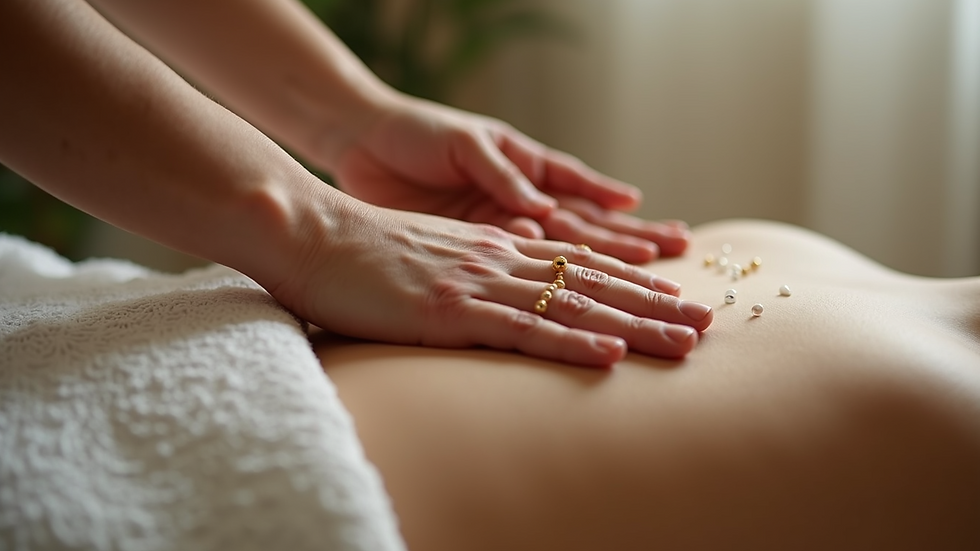
During a Reiki session, a practitioner lightly places their hands on or near the recipient's body. The goal is to channel healing energy to promote relaxation and balance. Many people report feeling a deep sense of peace and calm during and after a session.
How Does Reiki Work?
Reiki works on the principle that everything is made up of energy. When we experience stress or anxiety, our energy can become stagnant or disrupted. Reiki helps to restore the natural flow of energy in the body.
Here are some key points about how Reiki works:
Energy Flow: Reiki practitioners believe that they can channel energy to help clear blockages and restore balance.
Relaxation Response: The gentle touch and intention of the practitioner can trigger the body's relaxation response. This can lower heart rates and reduce stress hormones.
Mind-Body Connection: Reiki emphasizes the connection between the mind and body. By addressing emotional issues, it can help alleviate physical symptoms of anxiety.
Benefits of Reiki for Anxiety
Reiki offers several benefits for those struggling with anxiety. Here are some of the most notable:
Promotes Relaxation: Reiki sessions can induce a state of deep relaxation, helping to calm racing thoughts and ease tension.
Reduces Stress: Regular Reiki sessions can help lower stress levels, making it easier to cope with daily challenges.
Enhances Emotional Well-being: Reiki can help release emotional blockages, allowing for a greater sense of peace and emotional balance.
Improves Sleep: Many people find that Reiki helps them sleep better, which is crucial for managing anxiety.
Supports Overall Health: By promoting relaxation and reducing stress, Reiki can support overall physical and mental health.
How to Incorporate Reiki into Your Life
If you are interested in experiencing the benefits of Reiki, there are several ways to incorporate it into your life. Here are some practical tips:
1. Find a Qualified Practitioner
The first step is to find a qualified Reiki practitioner. Look for someone who is certified and has good reviews. You can ask for recommendations from friends or search online.
2. Attend a Reiki Session
Once you find a practitioner, schedule a session. During the session, you will lie down fully clothed while the practitioner works on you. Be open to the experience and allow yourself to relax.
3. Learn Self-Reiki Techniques
You can also learn basic Reiki techniques to practice on yourself. Many practitioners offer workshops or classes. Learning self-Reiki can empower you to manage anxiety on your own.
4. Create a Calm Space
Designate a quiet space in your home for relaxation and self-Reiki. This can be a corner of a room with soft lighting, comfortable seating, and calming scents.
5. Practice Mindfulness
Incorporate mindfulness practices into your routine. This can include meditation, deep breathing, or yoga. These practices complement Reiki and enhance its benefits.
Real-Life Examples of Reiki for Anxiety
Many people have found relief from anxiety through Reiki. Here are a few real-life examples:
Sarah's Story: Sarah struggled with anxiety for years. After attending a few Reiki sessions, she noticed a significant reduction in her anxiety levels. She felt more relaxed and was able to manage her stress better.
John's Experience: John was skeptical about Reiki but decided to give it a try. After his first session, he felt a wave of calm wash over him. He now incorporates self-Reiki into his daily routine and has seen improvements in his overall well-being.
Emily's Journey: Emily had trouble sleeping due to anxiety. After several Reiki sessions, she found that she could fall asleep more easily and stay asleep longer. She credits Reiki with helping her regain control over her sleep patterns.
The Science Behind Reiki
While Reiki is often viewed as a holistic practice, there is growing interest in its scientific basis. Research has shown that energy healing can have positive effects on mental health.
Some studies suggest that Reiki can:
Lower cortisol levels, which are associated with stress.
Improve mood and emotional well-being.
Enhance relaxation and reduce anxiety symptoms.
While more research is needed, the existing studies provide promising evidence of Reiki's benefits.
Common Misconceptions About Reiki
Despite its growing popularity, there are still misconceptions about Reiki. Here are a few common myths:
Myth 1: Reiki is a Religion: Reiki is not a religion. It is a healing practice that can be used by people of all faiths.
Myth 2: Reiki is a Substitute for Medical Treatment: Reiki should not replace medical treatment. It can be used as a complementary therapy alongside traditional medicine.
Myth 3: Only Practitioners Can Channel Energy: While practitioners are trained to channel energy, anyone can learn basic Reiki techniques for self-healing.
Tips for a Successful Reiki Experience
To make the most of your Reiki experience, consider the following tips:
Be Open-Minded: Approach your Reiki session with an open mind. Allow yourself to experience whatever comes up during the session.
Communicate with Your Practitioner: Share any concerns or specific issues you want to address with your practitioner. This can help them tailor the session to your needs.
Stay Hydrated: Drink plenty of water before and after your session. Hydration can help facilitate the energy flow.
Reflect on Your Experience: After your session, take some time to reflect on how you feel. Journaling can be a helpful way to process your experience.
Embracing Your Inner Peace
Reiki can be a powerful tool for managing anxiety and promoting inner peace. By understanding how it works and incorporating it into your life, you can empower yourself to find calm amidst the chaos.
Whether you choose to visit a practitioner or learn self-Reiki techniques, the journey toward inner peace is within your reach.
As you explore the world of Reiki, remember that healing is a personal journey. Be patient with yourself and allow the process to unfold. With time and practice, you can cultivate a deeper sense of peace and well-being.
In a world filled with uncertainty, finding your inner calm is essential. Reiki offers a pathway to that tranquility, helping you navigate life's challenges with grace and ease. Embrace the journey, and let Reiki guide you toward a more peaceful existence.


Comments